
Why Australian Display Suites Use Simulated Electronics for Property Styling
Market Insight: Display Suites in the Australian Property Market
In Australia, display suites and model homes are not simply sales tools — they are carefully curated experiences.
From Sydney’s high-density residential projects to Melbourne’s premium townhouse developments, interior styling plays a decisive role in shaping buyer perception.
Unlike temporary exhibitions, Australian display suites are often expected to remain intact for extended periods. Developers, interior designers, and stylists therefore prioritize visual consistency, safety, and long-term stability over functional electronics.
In this context, what matters most is not whether a screen works, but whether it looks right within the space.
The Invisible Challenge Behind “Real” Electronics
At first glance, using real TVs, laptops, or tablets in a display suite may seem logical. However, professionals in the Australian property sector are well aware of the hidden complications:
-
Ongoing maintenance and replacement costs
-
Electrical safety and compliance concerns
-
Software updates, power management, and cable visibility
-
Risk of damage in high-traffic environments
Over time, these issues distract from the core purpose of the space: helping buyers imagine themselves living there.
Why Simulated Electronics Are Commonly Chosen
As a result, many Australian designers and property stylists opt for non-functional display devices — simulated TVs, laptops, tablets, and phones created purely for visual presentation.
These props are not substitutes for technology; they are design tools.
They allow designers to:
-
Control proportions and screen dimensions precisely
-
Eliminate unnecessary cables and power points
-
Maintain a clean, minimal aesthetic
-
Ensure safety in public-facing environments
In premium residential styling, less distraction often means stronger emotional engagement.
A Typical Styling Scenario
Consider a modern apartment display suite in Brisbane or Perth:
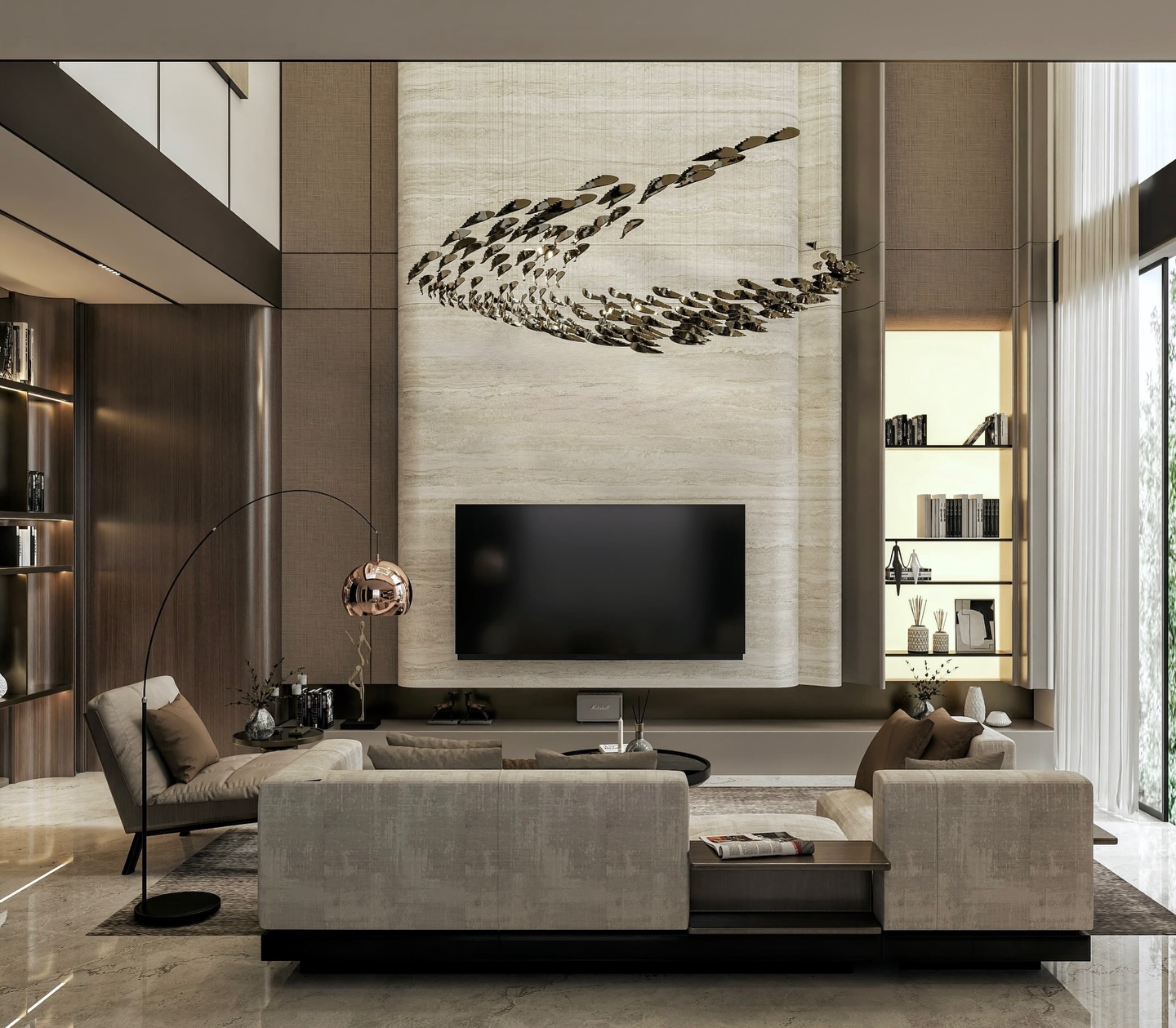
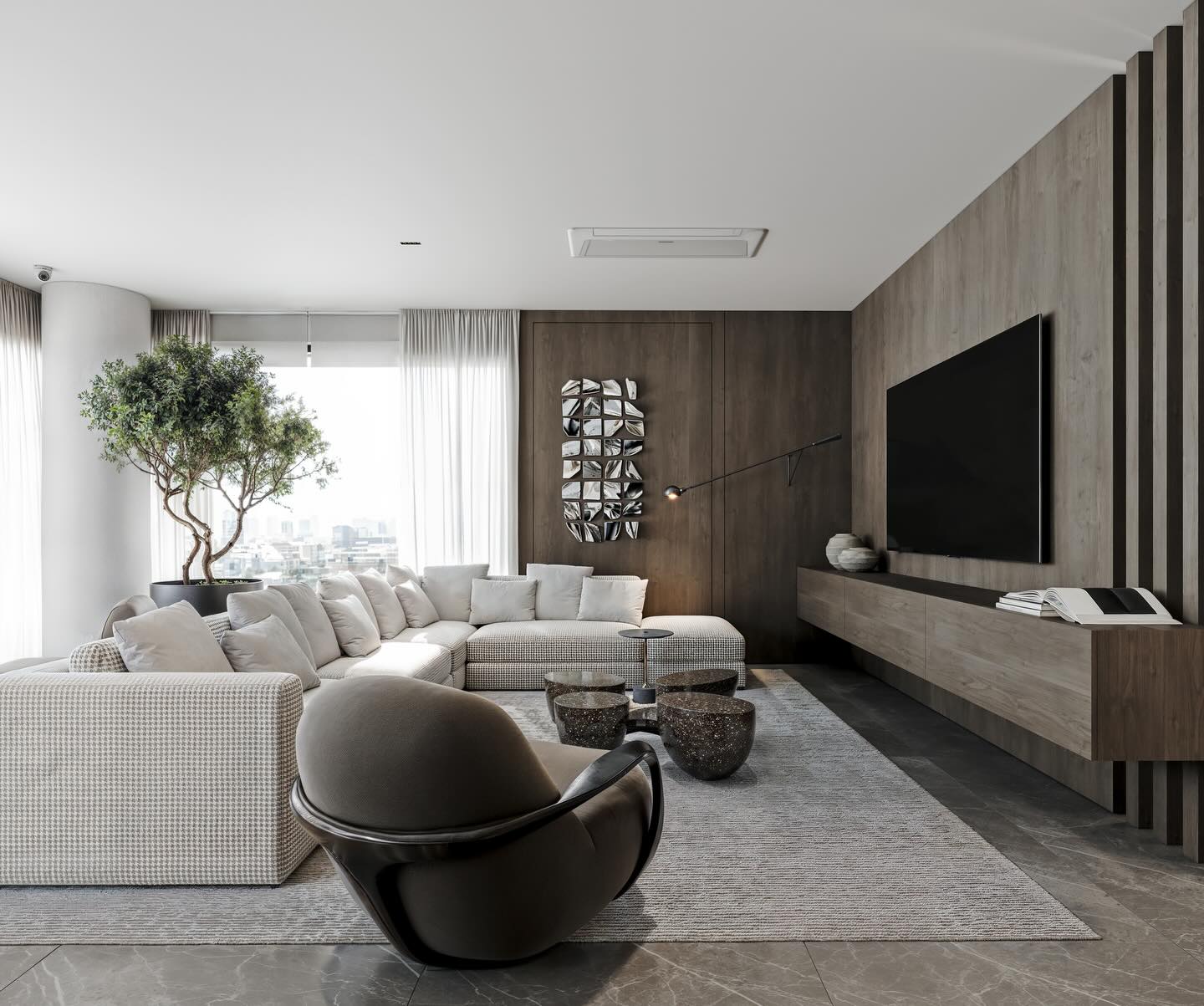
The living area features a wall-mounted screen aligned perfectly with bespoke cabinetry.
In the study, a slim laptop sits open on a timber desk, paired with a sculptural chair.
In the bedroom, a tablet rests casually on the bedside table, suggesting a relaxed lifestyle.
None of these devices needs to function.
Their role is to complete the visual narrative, not to operate.
By using simulated electronics, stylists retain full control over lighting reflections, screen finishes, and overall harmony within the space.
What Australian Interior Designers Value Most
From conversations across the industry, several priorities consistently emerge:
-
Accurate scale and proportion
-
Neutral, non-distracting finishes
-
Compatibility with lighting and photography
-
Ease of installation and removal
Simulated display devices are designed to support these priorities quietly, without competing for attention.
A Quiet but Intentional Choice
In Australian display suites, the best design decisions often go unnoticed — and that is precisely the point.
When a space feels balanced, realistic, and effortless, buyers focus on the home itself, not the objects within it.
Simulated electronics enable that clarity, making them a natural choice for professionals who value precision over spectacle.
In the end, effective property styling is not about showing technology —
It is about supporting the story of the space.
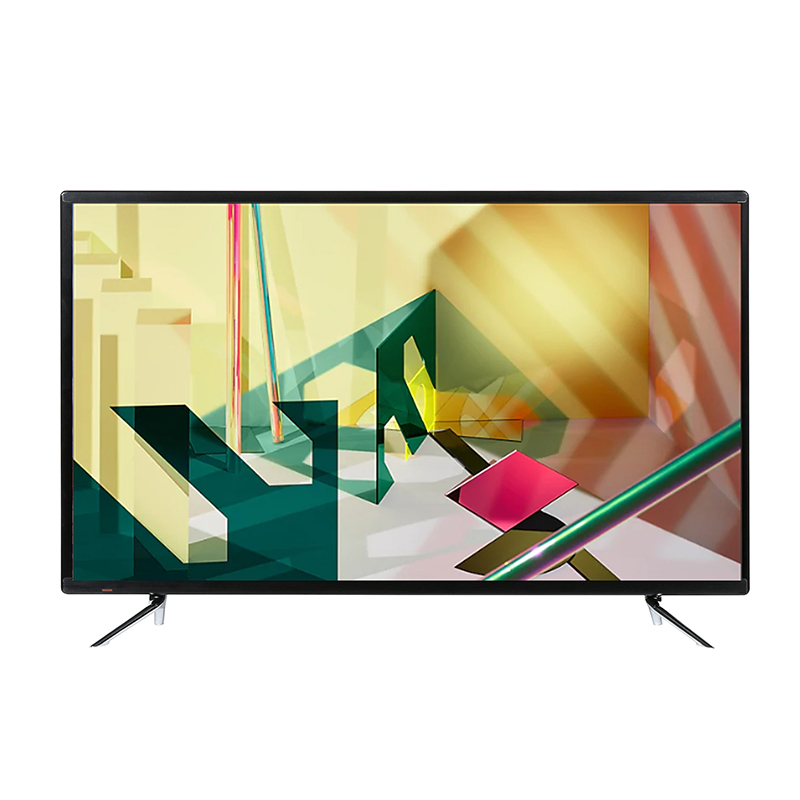 Fake TV for Staging: 42 vs 50 vs 55 vs 60 vs 70 (Which Size Looks Right?)
 Why UK Showroom Projects Often Fail at the Packaging Stage
 Why Display Consistency Breaks First in Multi-Store US Showroom
 The Power of Silence in Design | Why Display-Only Screens Define Professional Staging